
 0
0


- Home
- Blog
- Design & Planning
- How do I choose the right display fixture?
How do I choose the right display fixture?
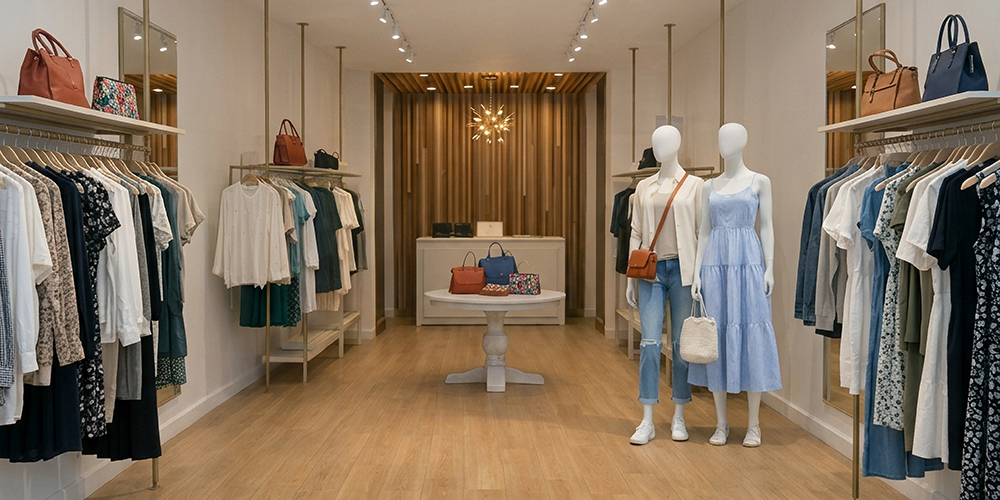
Starting a Retail Business Is a Dream for Many People!
What type of store should you open? Which retail business is the most profitable? Where is the best location for your store? What kind of store design attracts customers? How should your interior be planned? How can you create a distinctive store identity? How should products be displayed on retail fixtures? And how do you choose the right shelving and display system?
These questions are common challenges for anyone planning to open a new store or expand their retail business. As a professional manufacturer and designer of retail display fixtures, Chung Ri Display Fixtures would like to share practical insights focused on display fixtures and merchandising solutions.
1. What Type of Products Will You Sell?
Food, clothing, housing, transportation, education, and entertainment are all essential aspects of daily life, and the type of products you sell directly influences your store design. For example, if you operate a grocery or organic food store like Leezen or Homemakers United, your products can generally be divided into dry goods and refrigerated products.
Dry goods refer to products stored at room temperature, such as snacks, noodles, canned foods, flour, grains, and other healthy ingredients. These items are typically displayed on supermarket shelving according to product category and package size.
Refrigerated products include frozen vegetables, tofu, soup dumplings, hot pot ingredients, and other items requiring chilled or frozen storage. These products are arranged directly inside refrigerated display cases. Fresh produce such as organic fruits and vegetables is often displayed using woven baskets or wooden crates to create a natural, fresh, and healthy shopping atmosphere.
If your business specializes in sports apparel, footwear, and accessories, the design, color, and style of your display fixtures should complement your store's interior concept. Most stores of this type, such as Nike retail stores or DECATHLON, follow a consistent brand identity. Even independently operated sporting goods stores usually have their own brand image and Corporate Identity System (CIS). Therefore, display fixtures are often custom-designed in terms of style, materials, finishes, and colors to match the store's branding.
2. Who Is Your Target Customer?
Understanding your target customers is one of the most important aspects of retail planning. Different products are designed for different customer groups. Luxury brands such as CHANEL and Louis Vuitton are classic examples. Their boutiques sell premium fashion products at high price points. If the store environment appears outdated, cluttered, or poorly organized, customers may simply browse briefly and leave without making a purchase. A successful luxury boutique relies not only on brand reputation but also on elegant store design, carefully planned display fixtures, and premium merchandising to create a fashionable shopping atmosphere that encourages purchasing decisions.
Running a successful store is not simply about making money—it is about satisfying customers, creating value, and continuously improving the shopping experience.
3. How Much Retail Space Do You Have?
Retail spaces range from independent stores and specialty shops to chain stores and large-format retailers. The available floor space determines how products should be displayed. For example, if your store carries more than 100 product categories and has a spacious retail area, your display fixtures should be planned to showcase the full product range effectively. However, if your store is less than 10 ping (approximately 33 square meters), careful product selection and efficient merchandising become essential. The arrangement of display fixtures also affects customer traffic flow. Overcrowded layouts can make customers feel uncomfortable and shorten their shopping time. Therefore, the size of your retail space should always be considered together with the number of product categories and SKUs.
4. What Product Categories Will You Offer?
Take a pet store as an example. Products may include food, treats, health supplements, toys, accessories, bedding, grooming products, and many other categories, resulting in hundreds of different items.
Pet food products include dry food, canned food, snacks, and nutritional supplements. Related products include feeding bowls, water dispensers, automatic feeders, circulating water fountains, pet appliances, and feeding accessories. Lightweight products such as pet food are commonly available in 1.5 kg, 3 kg, 7.5 kg, and 15 kg packages. Taking Chung Ri's universal QS shelving system as an example, each shelf supports approximately 80 kg, making it ideal for displaying products between 1.5 kg and 7.5 kg. Larger 15 kg bags are generally displayed on floor display platforms or pallets.
For products such as leashes and pet toys, display systems like pegboards, wire mesh panels, and slatwall panels are commonly used. Combined with various display hooks, square tubes, or round tubes, these fixtures help organize products neatly while allowing customers to identify product categories quickly.
Conclusion
A comfortable shopping environment depends not only on product quality and customer service, but also on thoughtful store planning and well-designed display fixtures. Creating a retail space where customers feel comfortable spending more time increases the opportunity for enjoyable shopping experiences and ultimately leads to greater customer satisfaction and higher sales.
【 Further Reading 】 : Our Products

Leon
Guided by the core principles of modularity, customization, and mixed-material integration, JZ Shop is dedicated to designing and manufacturing reusable modular metal display fixtures that combine sustainability with efficiency.

